
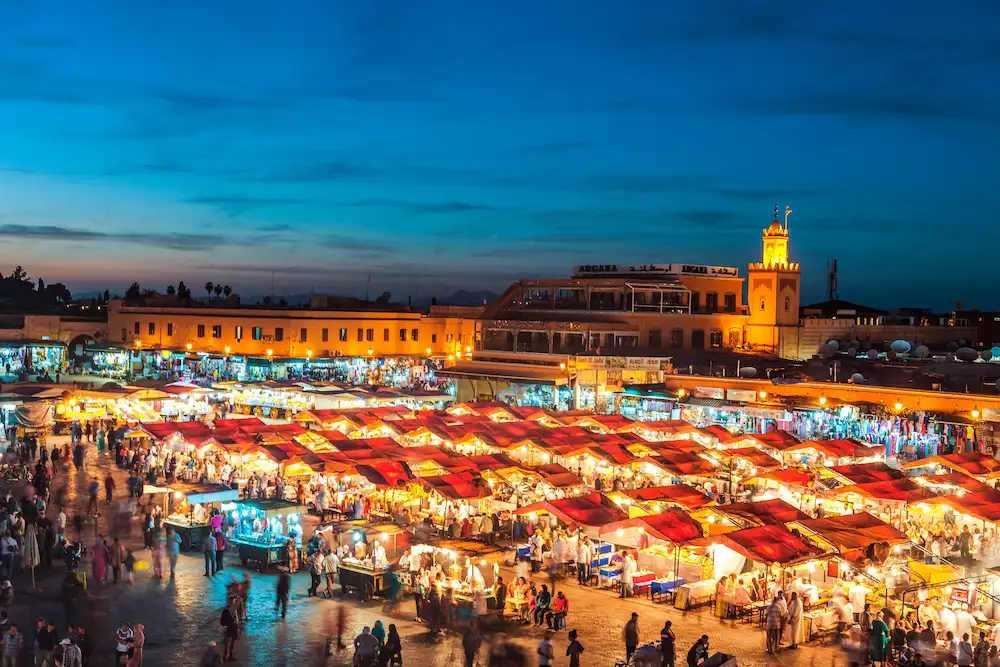
Marrakech, the vibrant Red City of Morocco, is a destination that ignites the senses and captivates the soul. With its bustling souks, historic palaces, aromatic spices, and a unique blend of ancient traditions and modern life, it promises an unforgettable adventure. However, for first-time visitors, navigating this enchanting city can be both exhilarating and a little overwhelming. To ensure your trip is as smooth and enjoyable as possible, a few essential Marrakech travel tips can make all the difference. This comprehensive guide will equip you with everything you need to know before you embark on your Moroccan journey in 2026.
Before You Go: Essential Preparations
Careful planning is key to a stress-free and enriching experience in Marrakech.
Visa and Entry Requirements
Most nationalities, including those from the EU, USA, Canada, and Australia, do not require a visa for stays of up to 90 days. However, it is crucial to check the latest visa regulations for your specific nationality well in advance of your travel dates, as policies can change. Ensure your passport is valid for at least six months beyond your intended departure date.
Health and Vaccinations
No specific vaccinations are mandatory for entry into Morocco, but it’s always wise to consult your doctor about recommended vaccinations such as Hepatitis A and B, Tetanus, and Typhoid. Pack a basic first-aid kit with essentials like pain relievers, antiseptic wipes, and any personal medications. Staying hydrated is vital, especially during the warmer months.
Currency and Money Matters
- Currency: The local currency is the Moroccan Dirham (MAD). Dirhams are a closed currency, meaning you cannot legally import or export them. You will need to exchange your currency upon arrival or withdraw from ATMs.
- ATMs: ATMs are widely available in Marrakech, particularly in the new town (Gueliz) and around Jemaa el-Fna. Inform your bank of your travel plans to avoid card blocking.
- Credit Cards: Major credit cards (Visa, MasterCard) are accepted in larger hotels, restaurants, and shops, but cash is king in the souks and for smaller purchases. Always carry small denominations of Dirhams for convenience.
- Bargaining: Bargaining is an integral part of shopping in the souks. It’s expected and can be a fun cultural exchange. Start by offering about half to two-thirds of the asking price and negotiate politely.
What to Pack
- Clothing: Morocco is a Muslim country, and while Marrakech is relatively liberal, modest dress is appreciated, especially when visiting religious sites or local neighborhoods. Lightweight, breathable fabrics like cotton and linen are ideal. For women, loose-fitting trousers, long skirts, and tops that cover shoulders and cleavage are recommended. Men should opt for trousers or long shorts and shirts. A light scarf can be useful for women to cover their heads when entering mosques (though non-Muslims generally cannot enter mosques in Morocco, it’s good for general respect).
- Footwear: Comfortable walking shoes are essential, as you’ll be doing a lot of walking, especially in the Medina with its uneven surfaces.
- Sun Protection: Sunscreen, sunglasses, and a wide-brimmed hat are crucial, particularly during the hot summer months.
- Adapter: Morocco uses Type C and Type E electrical outlets, with a standard voltage of 220V. Bring a universal adapter if needed.
Getting Around Marrakech
Navigating Marrakech can be an adventure in itself. Here’s how to get around:
From the Airport (Marrakech Menara – RAK)
- Taxi: The easiest way to get from the airport to your accommodation. Official grand taxis are usually cream-colored. Agree on the fare before you start the journey. A fair price to the Medina or Gueliz is typically around 70-100 MAD during the day, slightly more at night.
- Bus: The ALSA bus (Line 19) offers a more economical option, connecting the airport to Jemaa el-Fna, Gueliz, and the main bus station. It runs frequently and costs around 30 MAD for a single ticket.
Within the City
- Walking: The best way to explore the Medina. Get lost in its labyrinthine alleys – it’s part of the experience! Use offline maps (like Google Maps or Maps.me) to help you find your way back.
- Petit Taxis: These small, beige taxis are abundant and ideal for shorter distances within the city. They are metered, but drivers may sometimes
try to negotiate a fixed price, especially for tourists. Insist on the meter (compteur) or agree on a reasonable fare beforehand. They are not allowed to go into the Medina. - Horse-Drawn Carriages (Caleshes): A charming way to see the new city and the Palmeraie, offering a more relaxed pace. Negotiate the price before starting.
- Ride-Sharing Apps: While not as prevalent as in other major cities, some ride-sharing options might be available, though taxis remain the most common.
Cultural Etiquette and Safety
Understanding and respecting local customs will greatly enhance your experience.
Dress Code and Respect
As mentioned, modest dress is advisable. When interacting with locals, a simple
« Salam Alaikum » (peace be upon you) and « Shukran » (thank you) can go a long way. Always ask for permission before taking photos of people, especially women. Public displays of affection are generally frowned upon.
Safety and Security
Marrakech is generally a safe city for tourists, but like any popular destination, petty crime can occur. Be aware of your surroundings, especially in crowded areas like the souks and Jemaa el-Fna. Keep valuables secure and out of sight. Be wary of unsolicited guides in the Medina who offer to show you around; they often expect a hefty fee. If you need directions, ask shopkeepers or official tourist guides. Trust your instincts; if a situation feels uncomfortable, politely disengage.
Language
Morocco has two official languages: Arabic and Amazigh (Berber). French is widely spoken, especially in tourist areas and by the older generation, due to historical ties. English is becoming more common, particularly among younger people and those working in tourism. Learning a few basic Arabic or French phrases will be appreciated by locals and can enhance your interactions.
Food and Drink
Moroccan cuisine is a highlight of any trip. Be adventurous and try local specialties!
- Must-Try Dishes: Tagine (slow-cooked stew), Tanjia (Marrakechi specialty), Couscous (usually on Fridays), Harira (lentil soup), Pastilla (savory pastry), and a variety of fresh salads.
- Street Food: Jemaa el-Fna is famous for its evening food stalls. While generally safe, choose stalls that are busy and have a high turnover of food. Look for cooked-to-order items.
- Mint Tea: The national drink, often served as a sign of hospitality. It’s sweet and refreshing.
- Water: Drink only bottled water. Avoid tap water and ice cubes unless you are sure they are made from filtered water.
Accommodation: Riads vs. Hotels
- Riads: Traditional Moroccan houses with an interior courtyard or garden, often converted into guesthouses. They offer an authentic, intimate, and tranquil experience, usually located within the Medina. They typically have fewer rooms and personalized service.
- Hotels: Ranging from budget to luxury, hotels are found both inside and outside the Medina. Those outside, particularly in Gueliz and Hivernage, often offer more modern amenities, pools, and international dining options.
Common Scams to Avoid
Being aware of common scams can save you hassle and money:
- **
False Guides**: People offering to show you around the Medina, then demanding exorbitant fees. Politely decline or say “La, Shukran” (No, thank you). - Tannery Scam: Individuals leading you to a tannery, claiming it’s a special day, then pressuring you to buy goods or tip heavily.
- Spice Sellers: Some spice sellers can be very pushy. Be firm but polite if you’re not interested.
- Fixed Price Shops: Be aware that some shops claim to have fixed prices, but still expect you to bargain.
Day Trips from Marrakech: Expanding Your Horizon
Marrakech serves as an excellent base for exploring the diverse landscapes of Morocco. Consider these popular day trips:
- Atlas Mountains and Ourika Valley: Discover Berber villages, lush valleys, and stunning waterfalls. Perfect for hiking and experiencing rural Moroccan life.
- Essaouira: A charming coastal town with a relaxed atmosphere, a historic medina, and a vibrant fishing port. Ideal for a refreshing change of scenery.
- Ait Benhaddou: A UNESCO World Heritage site, this ancient fortified village (ksar) is a stunning example of Moroccan earthen architecture and a popular filming location.
- Agafay Desert: A unique rocky desert offering quad biking, camel rides, and unforgettable sunset dinners under the stars.
Conclusion: Embrace the Adventure
Marrakech is a city that promises an adventure for every traveler. By being prepared, respecting local customs, and embracing the unexpected, your first visit to this enchanting Moroccan jewel will undoubtedly be a memorable one. From the sensory overload of Jemaa el-Fna to the tranquil beauty of its gardens and the vastness of its surrounding deserts, Marrakech offers a journey that will captivate your heart and leave you longing to return. Use these Marrakech travel tips as your compass, and allow yourself to be swept away by the magic of the Red City.
Start planning your unforgettable Moroccan adventure today!
Contactez-nous via WhatsApp : +212 687-750949
Visitez notre site web : palmeraieactivitesmarrakech.com